



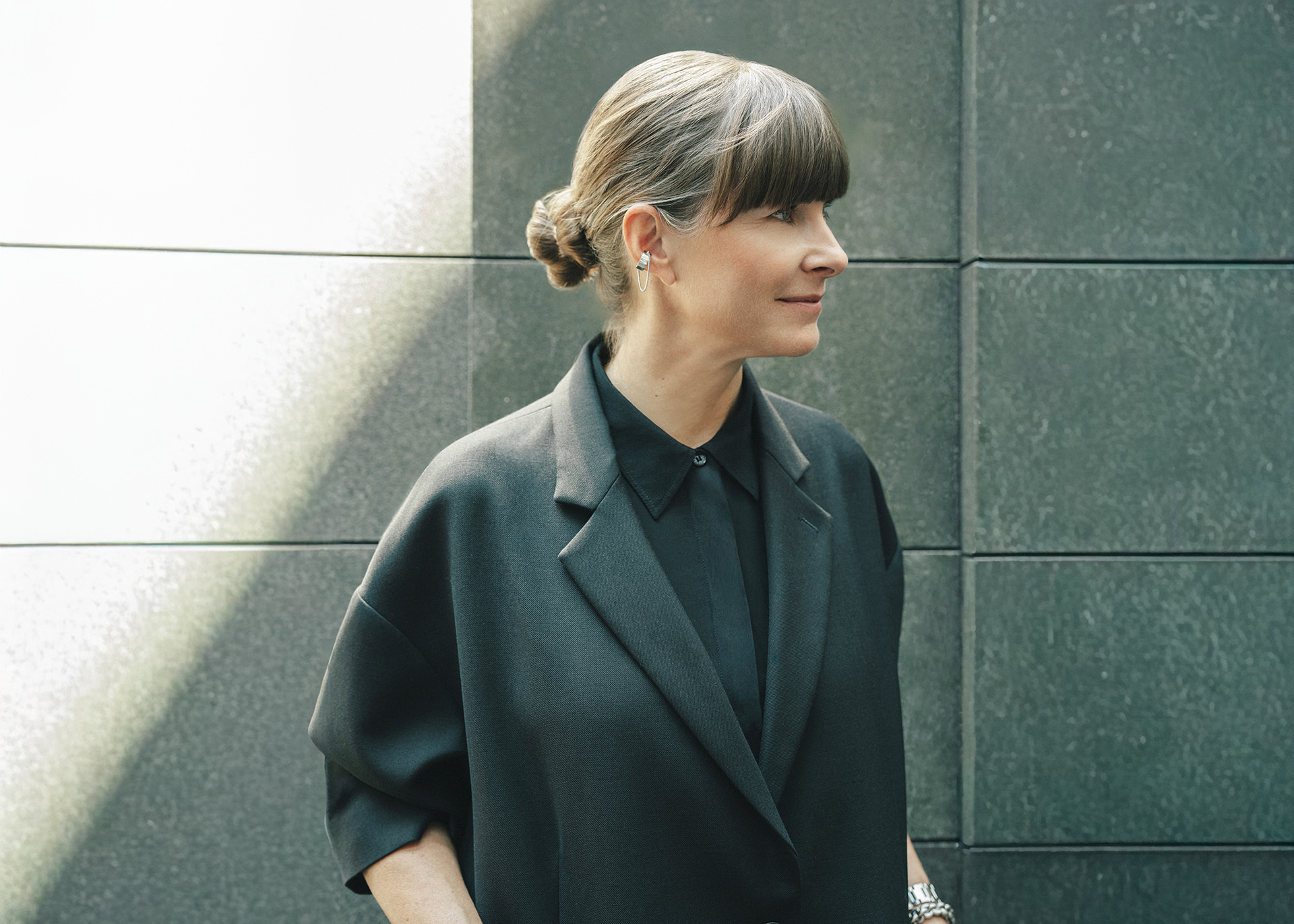
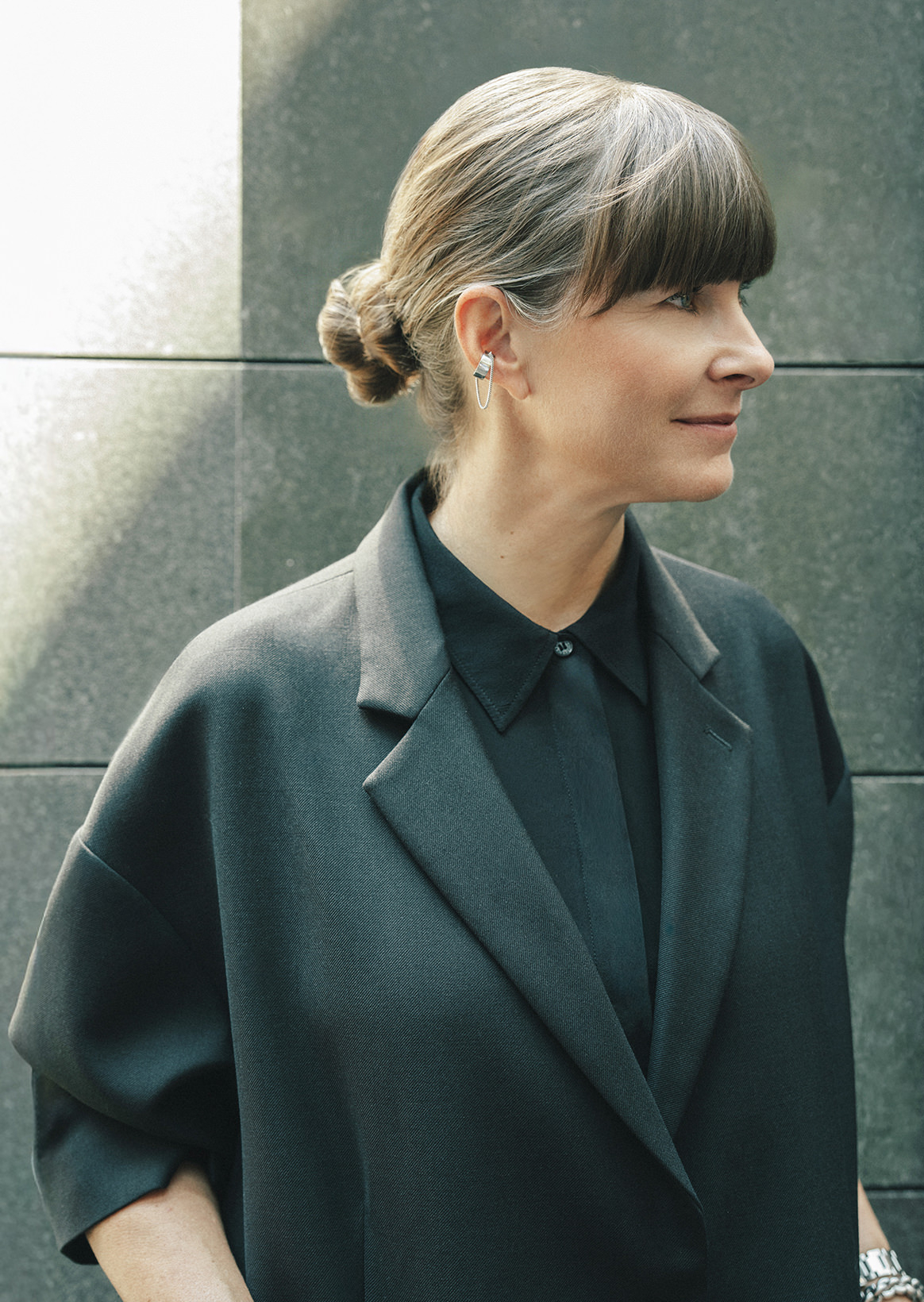
2013년 모나 얀센과 모르텐 이삭센에 의해 노르웨이 오슬로에서 설립된 쥬얼리 브랜드 'Tom Wood(톰 우드)'. 시그넷 링을 재해석한 조용한 모습의 쥬얼리는, 유행에 좌우되지 않는 보편성과, 몸에 익히는 사람 자신의 윤곽을 돋보이게 하는 힘을 아울러 가진다. 창업 당초부터 “길게 남는 제조”를 브랜드 철학의 핵으로 삼아 최근에는 소재 조달의 투명성과 트레이서빌리티 강화를 통해 그 사상을 보다 구체적인 실천으로 넓혀왔다. 6월 12일(금), 오사카 최초가 되는 직영점이 신사이바시 PARCO에 오픈. 아울러 개최된 전람회 'A Journey in Craft'에서는 완성된 쥬얼리뿐만 아니라 그 배경에 있는 소재 연구나 장인들의 수공예에도 초점을 맞추게 되었다. 일본에 온 공동 창설자인 모나 얀센에게 창의성의 원점, 일본의 크래프트맨쉽에의 공명, 그리고 시간을 거듭함으로써 의미를 깊게 하는 것 만들기에 대해 이야기를 들었다.
※ The English version is available below.
- Photo
- Natsumi Ito
- Text
- Tomoko Ogawa
- Edit
- RIDE Inc.
—— 자연이나 건축으로부터의 영향에 대해 자주 접하고 계십니다만, 되돌아보면, 자신의 독창성이나 창조성은, 어떠한 환경 속에서 자라났다고 생각합니까?
노르웨이 서해안, 바다와 숲, 이와야마로 둘러싸인 아주 작은 섬에서 자랐습니다. 우리 집은 200년 정도의 전 빵집으로 벽이 매우 얇았기 때문에 바다의 소리를 들으면서 잠을 자고 바다의 소리로 깨어났습니다. 한 걸음 밖으로 나오면 바다의 냄새가 났습니다. 전화도 인터넷도 없고, 어렸을 때는 언제나 밖에서 놀고, 동물을 위한 작은 정원을 만들거나, 자연 속에 있는 것으로 무언가를 만들어내고 있었습니다. 그런 식으로 자연이 언제나 곁에 있었던 것이, 모양이나 질감, 소재의 견해를 형성해, 심플함을 소중히 하는 감각으로 연결되었다고 생각합니다.
섬을 나와 넓은 세계를 만지고 나서 건축에 매료되게 되었습니다. 작은 디테일과 비율, 구조가 사물의 느낌을 어떻게 키우는지 빨리 열중했습니다. 부모님은 교사였지만, 어머니는 자주 나를 전시회나 무대, 공연에 데려가 주어 매우 창조적인 가정에서 자랐습니다. 하나의 환경이라기 보다, 이러한 다양한 영향과, 관찰해 계속 배우는 것에의 끊임없는 관심이 합쳐져, 나의 창조성을 키워 준 것이라고 생각합니다. 지금도 저는, 자연과 사람의 손에 의한 것――문화나 역사, 크래프트맨십에 의해 형성된 것――와의 대화 속에서, 영감을 찾아내고 있습니다.
—— 경제학을 배우고 브랜드 전략 분야에서 경력을 쌓은 뒤 Tom Wood를 시작했는데 그 한 걸음을 뒷받침한 순간이란?
하나의 결정적인 순간이라기보다는 시간을 들여 조금씩 실감이 자랐다는 느낌입니다. 처음에는 호기심에 가깝고 거의 취미와 같습니다. 브랜딩과 마케팅의 세계에 15년 이상, 그 중 6년은 자신의 에이전시를 경영해, 커리어의 대부분을, 다른 사람이 브랜드를 구축할 수 있도록(듯이) 지출해 왔습니다. 크리에이티브의 면에 깊이 관여하는 것은 많았지만, 조언하고 전략을 세우는 측에서 실제로 구현하는 것은 자신이 아니었습니다.
큰 전환기가 된 것은, 지금도 함께 일을 하고 있는 공장의 하나로, 자신이 다룬 최초의 시제품을 보았을 때. 그것은 시그넷 링의 시리즈였습니다. 본 순간, 자신의 아이에 대해 안는 것 같은, 「이것은 자신의 것이다」라는 감각이 즉시 솟아 왔습니다. 나에게 자신의 창조성에서 태어난 것에 책임을 지는 것은 새로운 경험이었습니다. 그렇다고 하는 것도, 스스로 무언가를 낳는 것은, 사람에게 조언하는 것보다 훨씬 깊고, 쭉 개인적인 행위이기 때문입니다. 그리고 1년 정도의 준비 기간을 거쳐 2013년에 에이전시를 떠나 Tom Wood에 전력을 쏟기로 했습니다.
—— 지금까지의 걸음 속에서, 지금도 마음에 남아 있는 말이나 어드바이스는?
호기심을 유지하는 것.
—— 어렸을 때 자신에게 한마디 전해지면 무엇을 전합니까?
자신의 직감을 자신을 믿는 것입니다. 이것은 누군가에게 주어진 말이 아니라 나 자신에게서 나온 조언입니다 (웃음). 나는 Tom Wood를 실제로 시작할 때까지 오랫동안 기다렸을지도 모른다. 그렇기 때문에 과감히 해보는 것이 그 교훈입니다. 사람은 "당신은 잘못"또는 "그 선택은 올바르지 않다"고 말할 수도 있습니다. 그렇지만, 자신의 직감 쪽이 올바른 일도 있다. 힘은 안쪽에서 태어나는 것으로, 자신을 믿지 않으면 계속하기는 어렵다. "해도 좋았다"고 진심으로 생각합니다.

—— 디자인을 할 때 가장 소중히 하고 있는 가치관이란?
오랫동안 착용 할 수있는 것을 만들고 싶습니다. 우리는 유행을 쫓지 않습니다. 대신 강한 형태, 소재의 질, 크래프트맨쉽을 소중히 여기고 있습니다. 그렇게 하면, 사람은 수년간 익힐 수 있고, 다음 세대에 계승할 수도 있을지도 모른다. 그것이 계속 Tom Wood의 기초였습니다. 그리고 보석에 국한되지 않고 가구, 옷, 예술 등 모든 카테고리를 통해 그 전체에 관심이 있습니다. 디자인, 소재, 크래프트맨십의 질은 모두에게 나에게 큰 의미를 가지고 있습니다.
—— 좋은 디자인과 아름다운 디자인의 차이를 어떻게 파악합니까?
나에게는 아름다움이 표면적인 것이 많지만 좋은 디자인은 더 깊은 곳에 있습니다. 그것은 더 개인적이며 오랫동안 사용된다고 가정합니다. 품질, 내구성, 크래프트맨쉽 등 모든 면에 강도를 가져옵니다. 즉, 아름다움은 책에서 말하는 표지 같은 것입니다만, 좋은 디자인이란, 그 안에 있는 크래프트도 포함한 1권 전체를 나타내는 것이라고 생각합니다. 거기에 도착하는 방법은 간단하게 유지하는 것. 간단한 것은 강하다. 왜냐하면 노이즈나 불필요한 것을 모두 제거하면 남는 것은 최선의 요소뿐이기 때문입니다. 재료가 가장 강한 요소일 수도 있고, 형태가 가장 강한 요소일 수도 있습니다. 당겨 가면 모든 것이 드러나므로 그 자체로 성립하고 순수하기 위해서는 정말 좋은 것이어야합니다. 많이 더하면 대부분 뭔가를 숨기게 되어 버린다. 그리고 모든 것을 깎아낸 뒤에 남는 것――그것은, 거기에 남아야 할 것, 언제까지나 머물 가치가 있는 것입니다. 저는 정직과 제약 속에서 만드는 것을 믿습니다. 끊임없이 새로운 제품을 만드는 것이 아니라 어떤 형태를 되살리게 하거나 매우 적은 요소에서 새로운 것을 만들어내는 것에 자신을 도전시키고 있습니다. 그것도, 지금 아름답고, 게다가 50년 후에도 아름다운 것 같은 형태로.

—— 정말 오래 남아 있는 것은 당신에게 어떤 것일까요?
시간을 거쳐도 의미와 존재의의를 계속 유지하는 것――정중하게 만들어져, 사려깊게 디자인되어, 원시즌으로 바꿀 수 있는 것이 아니라, 그 사람의 생활에 자연과 친숙해 가는 것이군요. 무언가가 timeless 일 때, 그것은 수년, 수십 년 동안 의미를 유지합니다. 그리고 그 때, 그것은 가치있는 것입니다. 왜냐하면 사람은 그것을 계속 잡고 거기에 추억이 쌓여 간다. 유행을 쫓고 있으면, 아무래도 차례차례로 새로운 것을 원해져 버립니다. 그렇지만, 자신에게 있어서 정말로 의미가 있는 것――몸에 익히거나, 사용하거나, 그냥 바라보는 것만으로도 기분 좋은 것을 만날 수 있었다면, 그것은 오랫동안 자신의 곁에 남아 계속한다. 그런 것이야말로 타임리스라고 생각합니다.
우리의 조각에는 확실한 정체성이 있다고 생각합니다. Tom Wood는 당신의 개성을 가리지 않습니다. 순수하고 간단하기 때문에 오히려 당신의 정체성을 강화할 수 있습니다. 악센트처럼, 또는 당신을 더 "당신"으로 해주는 자연스러운 디테일처럼. 그리고 내가 그 시그넷 링을 처음 착용했을 때처럼, 어쩌면 더 강력한 기분을 만들어 줄지도 모릅니다. 나에게 있어서 타임리스란, 몇 번이라도 되돌아가고 싶어질 만큼 충분한 성실함을 갖춘 것을 만들어내는 것입니다.
—— 상처나 경년변화에 어떤 가치를 발견하고 있습니까?
나는 물건을 버리는 것을 좋아하지 않고, 흩어져 부드러워질 때까지 사용하고 싶은 사람입니다. 오늘 신고 있는 이 하의도, 12년이나 13년 입고 있는 것입니다. 나에게 상처는 문제가 아니다. 상처는 그것이 착용되고 있다는 것을 의미하며, 누군가가 그것을 좋아하고 많이 사용한다는 것을 의미합니다. 인생을 살아 있으면 상처가 붙는 것은 당연하고 상처는 추억이 된다. 보석은 상자 속에서 손길이 닿지 않은 채로 남아 있기 위한 것이 아니라 착용하기 위한 것이기 때문입니다. 때때로 그러한 흔적은 그 이야기의 일부가 되어 물건에 맛을 줍니다.
—— 오랜 세월에 걸쳐 계속 잡고 사용해 온 것으로 특별한 의미를 가진 것이 있으면 알려주세요.
내 웨딩 밴드가 된 빈티지 시그넷 링입니다. 모르텐이 프로포즈했을 때, 반지는 끝까지 정해지지 않고 남아있었습니다. 결혼의 상징으로서 옛날부터 당연한 것처럼 선택되어 온, 그 화려한 밴드를 원하지 않았어요(웃음). 마치 장식처럼 느껴 버려. 그와 결혼한다면, 자신은 그것을 알고 있고, 사람에게 보여줄 필요는 없다고. 그래서 나는 그에게 "반지 따위 필요 없다"고 말했습니다. 그러자 그가 서랍 속에서 낡은 실버의 시그넷 링을 몇 개 찾아 와서, 「이것은 어때?」라고 물어 왔습니다. 그때까지 시그넷 링을 의식한 적도, 특히 인연을 느낀 적도 없었지만, 훌륭하다고 생각했습니다. 전혀 웨딩 밴드에는 보이지 않고 오히려 두 사람만의 갖추어진 반지 같고, 마치 우리만의 비밀 그룹에 속해 있는 것처럼 느꼈습니다. 그리고 하나를 내 손가락에 맞게 크기를 조정하고 위의 평평한 면에 결혼한 날짜를 비밀 암호처럼 새겼습니다.
그것을 익힐 때마다, 믿을 수 없을 정도로 강력한 감정이 되었음을 기억합니다. 매우 무게가 있는 반지로, 당시의 나의 다른 쥬얼리가 얇고 가벼운 것 뿐이었기 때문에, 그 무게 덕분에, 확실히 붙여 잊으면, 그 부재를 알아차릴 정도였습니다. 그것이 제가 정말 애착을 품은 최초의 보석이었습니다.


—— 신사이바시 PARCO에 서일본 최초의 거점을 오픈했습니다만, 이 장소에 어떤 가능성을 느끼고 있습니까?
오사카는 오랜 세월에 걸쳐 우리에게 소중한 도시로 많은 분들에게 브랜드를 알게 된 곳입니다. 그러니까, 여기에 자신들의 공간을 갖게 하는 것은, 큰 의미를 느끼고 있고, 드디어 실현했다, 라고 하는 생각도 있네요. 정말 어울리는 장소를 찾기 위해 PARCO 여러분과는 3년 정도 대화를 거듭해 왔습니다. 그 프로세스 자체도 매우 좋은 것이었기 때문에, 이 출점을 더욱 기대하고 있습니다.
우리에게는 커뮤니티와 더 가깝게 연결되어 브랜드를 더욱 개인적으로 경험할 수 있는 기회입니다. 오사카에는 사람들의 열린 공기나 조금 어깨의 힘이 빠진 것 같은 기분이 있어, 그것이 이 도시의 매력의 하나라고 느끼고 있습니다. 그러한 공기 속에서 브랜드가 어떻게 받아들여지는지 매우 기대됩니다. PARCO에게도 새로운 대비와 가치를 가져다주는 존재가 될 수 있으면 기쁩니다.


—— 출점에 맞춰 개최된 전람회 ‘A Journey in Craft’에서는 완성된 쥬얼리뿐만 아니라 그 배경에 있는 프로세스나 소재에 마주보는 방법에도 빛이 비추어졌습니다. 평소에는 눈에 띄지 않는 이러한 측면을 굳이 공개하려는 이유를 알려주세요.
계속 하고 싶었어요, 크래프트맨쉽 그 자체를 제대로 보여주는 것을. 많은 사람들은 우리의 조각이 수공예로 만들어졌음을 알지 못합니다. 완성된 일점을 봐도, 그것이 어떻게 만들어졌는지까지는, 생각하는 일이 없을지도 모른다. 나 자신, 처음으로 공장을 방문해 제조의 모든 공정을 하나 하나 눈에 띄었을 때를 기억하고 있습니다. 정말 놀랐습니다. 하나의 조각에 쏟아지는 모든 헌신적인 일, 그리고 거기에 관련된 모든 사람들에게 여러분이 알아차리는 계기를 만들고 싶었다. 이렇게 작은 것인데, 이렇게 많은 손이 그것을 만들고 있다. 어떻게 만들어 졌는지 알면 사람은 그것을 소중히하고 더 깊게 즐길 수 있습니다.
브랜드로서, 우리는 소재 조달부터 완제품에 이르기까지 제조 공정의 완벽한 투명성을 제공하고자합니다. 그래서 단지 완성된 보석을 보여주는 것이 아니라 그 뒤에 있는 사고――소재의 연구, 신체적인 손 움직임, 그리고 우리가 만드는 것을 결정하는 하나 하나의 판단을 이 전람회에서 보여주고 싶었습니다.
—— Tom Wood는 쥬얼리 업계에 뜻깊은 변화를 가져올 책임이 있다는 믿음으로 오랫동안 지속가능성을 다해왔습니다. 크래프트맨십과 혁신을 계속 추구하면서 그 철학을 실천으로 옮기는데 현재 가장 큰 과제란?
우리의 가장 큰 도전은 보석의 추적 성을 확보하는 것입니다. 돌은 매우 가치가 높고, 몇번이나 사람의 손을 건너가므로, 광산이나 채석장으로부터 완성된 한점에 이르기까지, 그 출처를 따라가는 것은 매우 어렵습니다. 모든 공정에 대해 100퍼센트 성실하다고 한다면, 그 체인을 거슬러 올라가서 하나 하나의 공급업체에게 정보를 공개하게 하고, 그 한층 더 앞에 있는 구매처까지 보여주어야 합니다. 하지만 그들이 그것을 원하지 않을 수도 있습니다. 그 비밀성 자체가 그들의 비즈니스 모델이기 때문입니다. 그러므로 지금 있는 '당연한 진실'을 그대로 받아들이는 것이 아니라 스스로 묻고 자신들의 발로 구매처를 찾아가야 한다. 우리는 그 작업을 자신의 손으로 진행하고 있습니다. 제1층, 제2층, 제3층으로 조금씩 따라가고, 충분히 계속해 나가면, 곧 광산에 도착한다. 거기서 실제로 일하고 있는 사람들과 이야기하고, 그 길의 모든 단계에서, 함께 일해 주실 수 있도록 대화를 거듭해 갑니다.
가장 어려운 것은 돌을 산출한 광산과 채석장까지 완전히 거슬러 올라가는 상태를 만들고 그것을 큰 규모로 실현하는 것입니다. 그것에는 방대한 시간과 노력이 걸리고, 때로는 비용이 보상을 웃도는 경우도 있습니다. 그래도 우리는 계속합니다. 그것이 우리에게 더 깊은 의미를 가지기 때문입니다. 그 이니셔티브 중에서 가장 자랑스러워하는 것은 우리가 취득한 인증입니다. 지금의 시대, 그것은 그들이 올바른 방식으로 일하고 있음을 보여주는 몇 가지 확실한 증거. 그렇지 않으면, 단지 입끝만이 되어 버리니까.
—— 일본의 문화나 미의식에 공명하는 부분이 있습니까?
확실히. 특히 사람들이군요. 우리는 세계의 다른 곳에서 왔지만 일본의 사람들이 공예와 문화를 바라 보는 눈빛이나 더 알고 싶은 그 배경을 만지려고하는 순수한 관심에 깊이 공감합니다. 옛날부터 일본의 크래프트맨쉽, 질, 오랫동안 계속 사용하는 것에 대한 존경심을 가지고 왔습니다. 소재에 대한 진지한 경의가 있고, 제조에 대한 사려깊은 자세가 있다. 그들은 우리 Tom Wood가 나누는 가치관이라고 생각합니다. 우리는 오랫동안 남는 것처럼 만들어져 사용되고 시간을 거듭함으로써 보다 개인적이고 의미 있는 것이 되어 가는 그러한 것을 만들어낼 것을 믿고 있습니다. 일본에 있으면, 언제나 에너지를 받을 수 있고, 일본을 떠날 때는, 자신이 보다 좋은 인간이 될 수 있었다고 느낍니다.
—— 최근 일본에서, 특히 강한 인상을 받은 사람들이나, 창작의 힌트가 된 사건이 있으면 가르쳐 주세요.
무엇보다 창의적인 사람들입니다 - 헌신적인 장인이나 아티스트, 그리고 방문할 때마다 만나는 성실하고 따뜻한 사람들. 특히, 시대의 흐름 속에서 중반 잊혀지고 있는 분야에서, 지금도 계속 손을 움직이고 있는 장인들에게는 깊게 마음을 움직입니다. 그들은 놀라운 열정으로 그것을 계속하고 있으며, 그 자세는 언제나 나에게 강한 자극을 준다. 더 좋은 것을 만들자, 더 세세한 부분에 신경을 쓰자, 자신을 설레게 해준다.
도쿄에는 방문할 때마다 반드시 들르는 도자기의 가게와 갤러리가 몇 개 있고, 마시코에서는 낡은 가마를 방문해, 수백 년 전의 만들기의 흔적을 접했습니다. 교토에서는 수세대에 걸쳐 일본 종이의 등불을 계속 만드는 공방 Kojima Shoten을 방문해, 그들의 작품을 아오야마의 가게에서도 취급하고 있습니다. 그 외에도 유리 작가와 목공 작가, 가구 만들기에 종사하는 사람들 등 많은 만남이있었습니다. 일본 사람들은 무엇을 하기에도 정말 치밀하고 세세한 부분까지 다가오고 있다. 그 자세는 내 자신의 미의식과 Tom Wood의 제조 철학과도 깊게 겹쳐져 있습니다. 계속 배우고 계속 보는 것은 나에게 조금 부드러운 것 같네요 (웃음).

In 2013, the jewellery brand Tom Wood was founded in Oslo, Norway, by Mona Jensen and Morten Isachsen. Reinterpreting the signet ring into quietly understated pieces, its jewellery holds both a timelessness that stays free of passing trends and a strength that draws out the wearer's own presence. From the beginning, a commitment to making things that last has been at the core of the brand's philosophy, and in recent years it has pushed that thinking into more concrete practice through greater transparency and traceability in how its materials are sourced. On Friday, June 12, the brand's first directly operated store in Osaka opened at Shinsaibashi PARCO. Held alongside the opening, the exhibition A Journey in Craft turned its focus not only to the finished jewellery but to the material studies and the craftsmen's handwork behind it. We spoke with co-founder Mona Jensen, in Japan for the occasion, about the origins of her creativity, her resonance with Japanese craftsmanship, and a way of making whose meaning deepens as time accumulates.
—— You have often spoken about drawing inspiration from nature and architecture. Looking back, what kind of environment do you think nurtured your originality and creativity?
I grew up on a very small island on the west coast of Norway, surrounded by the ocean, forest, and rocky mountains. Our house was a 200-year-old former bakery with very thin walls, so I fell asleep and woke up to the sound of the ocean, and the moment you stepped outside you could smell it too. We had no phones or internet, so as a child I was always playing outside, building little gardens for animals and making things out of whatever nature gave me. That constant presence of nature shaped the way I see form, texture, and materials, and taught me to appreciate simplicity.
Architecture came a little later, once I moved out into the wider world; I quickly became fascinated by how small details, proportions, and structures shape the way we experience things. My mother often took me to exhibitions and performances, so I grew up in a very creative home, even though my parents were teachers. More than any single environment, it was the combination of these influences, together with a constant interest in observing and learning, that nurtured my creativity. I still find inspiration in the dialogue between nature and the man-made—shaped by culture, history, and craftsmanship.
—— After studying economics and building a career in brand strategy, you founded Tom Wood as a platform for expressing your creativity. Was there a particular moment that encouraged you to take that leap?
It was less one defining moment than a growing realization over time. At first it was closer to curiosity, almost a hobby. After more than fifteen years in branding and marketing, including six years running my own agency, I had spent much of my career helping others build their brands—often deeply involved on the creative side, but advising and building strategy rather than executing it myself.
The real turning point came when I saw the first test samples I'd made at one of the factories we still work with today. It was a group of signet rings, and the moment I saw them I had that instant feeling—the way you do with your own child—that this was mine. What was new for me was daring to be responsible for the outcome of my own creativity, because showing your creativity is much deeper and more personal than advising. After about a year of planning, I left my agency in 2013 and dedicated myself fully to Tom Wood.
—— Is there a piece of advice or a remark that has stayed with you throughout your journey?
Be curious.
—— If you could give one piece of advice to your younger self, what would it be?
Stick to your guts—believe in yourself. That's my own advice, not something handed to me. Maybe I waited a very long time before I finally did something like Tom Wood, and the lesson is to dare to do it. People will often tell you you're wrong, but sometimes you know better. The strength comes from inside, and I'm very glad I trusted it.
—— What values matter most to you when designing?
I want to make things that can last—pieces I won't get tired of and can wear for a long, long time. We don't chase trends. Instead, we focus on strong forms, quality in materials, and craftsmanship, so a piece can be worn for years and maybe passed on to a new generation. That has always been the foundation of Tom Wood. And it isn't only jewellery—I care about that whole dimension across every category: furniture, clothing, art.
—— What distinguishes good design from something that is simply beautiful?
For me, beautiful can be only surface, whereas good design is deeper, more personal, and made to last—strength in every aspect: quality, longevity, craftsmanship. Beautiful is the cover; good design is the whole book, including the craft inside.
The way I reach that is by keeping things simple. Simple is strong, because once you remove all the noise, what's left are the best components—sometimes the material, sometimes the shape. When you take things away, everything shows, so a piece has to be truly good to stand on its own; if you add a lot, you're usually hiding something. And once you've taken everything away, what remains is what deserves to be there—what deserves to stay forever. I challenge myself to reignite a shape, or to create something from very few elements, in such a way that it will be beautiful now and still beautiful fifty years from now.
—— What does “timelessness” mean to you personally?
A truly enduring object is one that stays relevant and meaningful over time—well made, thoughtfully designed, and a natural part of someone's life rather than something replaced after a season. If you chase trends you tend to need a lot; but if you find things that genuinely mean something, that you can wear or use or simply look at and still feel good, then it's timeless.
I also think our pieces have a lot of identity without overshadowing the person. Tom Wood doesn't cover you—it's pure and simple, so instead it can strengthen your identity, like an accent that makes you more you, and maybe makes you feel more powerful, the way I felt when I first wore that signet ring. Timelessness, for me, is creating something with enough integrity that you keep coming back to it.
—— What do wear, scratches, and signs of age mean to you?
I don't like to throw things away, and I like to wear things until they're worn smooth—the trousers I have on today are twelve or thirteen years old. To me, scratches don't matter; they mean a piece has been worn and loved. Jewellery isn't meant to stay untouched in a box—it's meant to be worn, and over time those marks become part of the story and give a piece character.
—— Is there an object you have kept and used for many years that holds a special meaning for you?
Yes—the vintage signet ring that became my wedding band. When Morten proposed, our rings were the last thing we figured out, mainly because I didn't want the delicate band traditionally associated with weddings; to me that almost felt like decoration. So I told him we didn't need rings at all. Then he found a couple of old silver signet rings in his drawer. They didn't look like wedding bands at all—more like matching rings for the two of us, as if we belonged to our own secret group. We resized one to fit my finger and engraved the tabletop with our wedding date, like a secret code.
I remember feeling incredibly powerful whenever I wore it. It was very heavy, and at a time when my other jewellery was thin and light, that weight meant that if I forgot to put it on, I noticed its absence. It was the first piece of jewellery I ever truly got attached to.
—— As Tom Wood opened its first West Japan store at Shinsaibashi PARCO, what possibilities do you see in this new place?
Osaka has been an important city for us for many years, and a place where many people have come to know the brand. That’s why opening our own space here feels very meaningful to us — and, in many ways, long overdue. We’ve been in dialogue with PARCO for around three years to find the right place, and it’s been a very good process, which makes me even more excited about this opening.
For me, it’s an opportunity to connect more closely with our community and offer a more personal experience of the brand. There’s also something about Osaka itself — the openness of the people, and the slightly more relaxed atmosphere — that feels very special. I think that openness is part of what makes this city so attractive, and I’m excited to see how the brand will be received in that environment. Hopefully, we can bring something new to PARCO as well — a different kind of contrast, and something valuable.
—— A Journey in Craft, presented alongside the opening, shined a light not only on the finished jewellery but on the processes and material considerations behind it. What made you want to reveal these often unseen aspects of the creative process?
It's something I've wanted to do for a long time—to actually show the craftsmanship. A lot of people don't realize our pieces are handmade; when you look at a finished piece, you may not think about how it was made. I remember the first time I visited the factories and witnessed every single step of production—I was amazed. I want to help people realize all the dedicated work that goes into a single piece, and all the people involved: such a small object, yet so many hands make it. If you understand how something is made, you can care about it more and enjoy it more.
As a brand, we want to offer full transparency into the production process, from sourcing to the finished piece. So rather than just presenting the finished jewellery, we wanted the exhibition to show the thinking behind it: the material studies, the physical gestures, the decisions that define what we create.
—— Tom Wood has long embraced sustainability with the belief that it has a responsibility to drive meaningful change within the jewellery industry. What do you see as the greatest challenge in putting that philosophy into practice today?
Our greatest challenge is securing the traceability of our gemstones. They're highly valuable and switch hands so frequently that verifying their origin, all the way from the mine or the quarry to the finished piece, is extremely difficult. To be one hundred percent honest about every step, you have to go back through the chain and ask each supplier to open up and show you their own source—and sometimes they don't want to, because that secrecy is their business model.
So instead of simply accepting what is presented as truth, we have to question it and find those sources ourselves. That’s the work we do. We go layer by layer, and if we stay with it long enough, we eventually reach the mine itself, speaking directly with the people doing the work and building trust along the way. The hardest part is getting the stones traceable all the way down to the mine or the quarry they came from, and doing it at scale.
It takes enormous time and effort, and we do it even when it costs more than it returns, because it has a deeper meaning for us. What I'm proudest of are our certifications, because today they're the only real proof that you do things right—otherwise it's just something you say.
—— Are there aspects of Japanese culture or aesthetics that resonate with the philosophy of Tom Wood?
Yes, absolutely—above all, the people. Even though we come from different parts of the world, I relate deeply to the way Japanese people look at craft and culture, and to their genuine interest in going deeper into a story. I have always admired the Japanese appreciation for craftsmanship, quality, and longevity—a real respect for materials and a thoughtful approach to making things. Those are values we share at Tom Wood: we believe in creating pieces made to last, which become more personal and meaningful through use and time. Being in Japan always gives me energy, and I feel I'm a better person when I leave.
—— In recent years, have there been any experiences or encounters in Japan that left a strong impression on you or inspired your creative process?
Above all, it’s the people — dedicated craftsmen, artists, and the warm, sincere people I meet every time I visit. I’m especially moved by those who continue working in fields that may be slowly disappearing, yet still approach their craft with such passion. That leaves a deep impression on me and pushes me to make better things and pay closer attention to detail.
I’ve always admired the Japanese respect for craftsmanship, quality, and longevity — a real sensitivity to materials and a thoughtful way of making things. Those values are very close to what we believe at Tom Wood. There’s a precision and care in the way people approach everything here, and that’s something I deeply relate to.
I’ve visited many inspiring places over the years — ceramic shops and galleries in Tokyo, old kilns in Mashiko still run by families across generations, glass artists working with incredibly delicate Japanese glass, and woodworkers whose pieces we’ve even brought into our Aoyama store. In Kyoto, I’ve also visited workshops that have been making washi lanterns for generations, and we carry some of those pieces as well. There are many more. For me, learning and seeing new things is almost an addiction.

Mona Jensen
노르웨이의 보석 브랜드, Tom Wood의 창시자이자 크리에이티브 디렉터. 2013년, Tom Wood를 설립해 역사적인 시그넷 링을 현대적으로 해석한 작은 쥬얼리 컬렉션을 발표. 자연, 역사, 그리고 조각과 건축과 같은 예술을 착상원으로 한 디자인이 특징적.
Founder and Creative Director of the Norwegian jewellery brand Tom Wood. In 2013, she founded Tom Wood and introduced a small collection of jewellery that reinterpreted the historical signet ring in a contemporary way. Her designs are distinguished by their inspiration drawn from nature, hist.

- 상점 이름
- TomWood
- 플로어
- 2F
- 전화번호
- 06-6226-8266
- 공식 브랜드 사이트
- https://www.tomwoodproject.com/jp_ja/
- @tomwood_project


